Compare Local Contractors for Framing Carpentry Projects
Compare local contractors for carpentry framing to define project scope, verify experience, and set clear expectations in writing for a successful build.
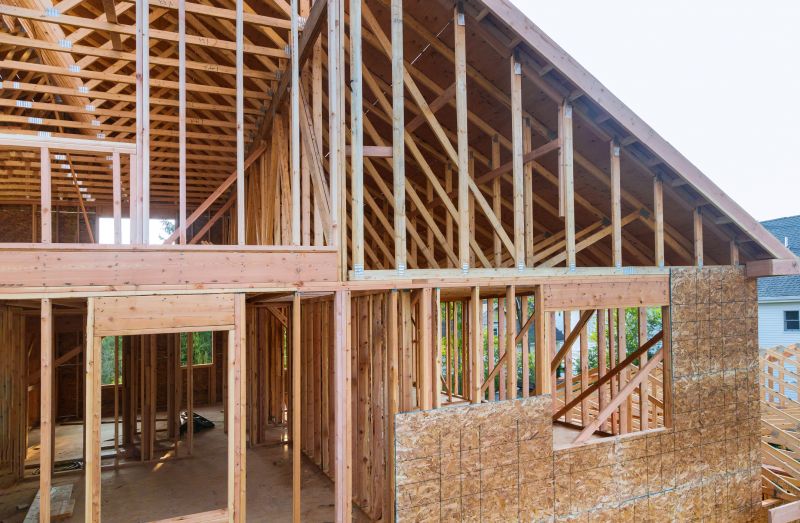
Carpentry framing is a fundamental aspect of many construction projects, covering the structural framework that supports walls, floors, ceilings, and roofs. This work typically involves measuring, cutting, and assembling wooden or metal components to create a sturdy skeleton for a building or renovation. Proper framing ensures that the overall structure is stable and aligns with architectural plans, making it a critical step in both new construction and remodeling efforts. When selecting a contractor for framing work, it’s important to verify their experience with similar projects and to understand the scope of work they can handle, whether it involves residential, commercial, or specialty framing.
Defining the scope of carpentry framing work is essential to establish clear expectations and avoid misunderstandings. Property owners should work with service providers to specify the types of framing needed, materials preferred, and any structural details that are critical to the project’s success. Documenting these details in writing helps ensure that both parties are aligned on the work to be performed and provides a reference point throughout the project. Clarifying scope also aids in assessing the expertise of local contractors, as those with relevant experience are more likely to deliver quality results that meet the project’s requirements.
Comparing local contractors for framing services involves evaluating their experience, reputation, and the quality of their previous work. Property owners can seek references or reviews from past clients, review portfolios of completed projects, and ask about the types of framing projects they have handled. It’s also helpful to verify that contractors have a thorough understanding of building codes and structural standards relevant to the area. By gathering information on each service provider’s background and approach, property owners can make informed decisions and select the contractor best suited to meet the specific needs of their project.
Compare local contractors by clarifying project priorities, verifying experience, and setting clear expectations in writing.
- Compare Contractors - review local service providers to find those with relevant experience in carpentry framing.
- Define Project Scope - clearly outline the framing requirements and expectations before engaging a contractor.
- Verify Experience - assess the background and past work of local contractors to ensure qualification.
- Set Expectations in Writing - document project details and agreements to establish clear understanding with service providers.

Before comparing contractors, clearly define your framing project scope and verify their experience in similar work.
- Verify experience in framing carpentry projects similar to the scope of the work. Ensure the service provider can clearly define the project scope and deliverables in writing.
- Compare multiple local contractors to assess their expertise and reputation in framing carpentry services. Look for detailed descriptions of materials and methods to understand their approach.
- Check references or reviews to confirm the quality of previous framing carpentry work completed by the contractor. Confirm that the contractor adheres to local building codes and standards.
- Discuss project expectations and specifications in detail to establish a clear understanding before work begins. Ensure all aspects of the framing, including measurements and materials, are documented in the agreement.
- Assess the contractor’s ability to provide detailed, written estimates that outline the scope and scope exclusions. Confirm that the scope of work, materials, and responsibilities are explicitly stated to prevent misunderstandings.
Compare local contractors’ experience and clarify project scope to ensure successful carpentry framing.

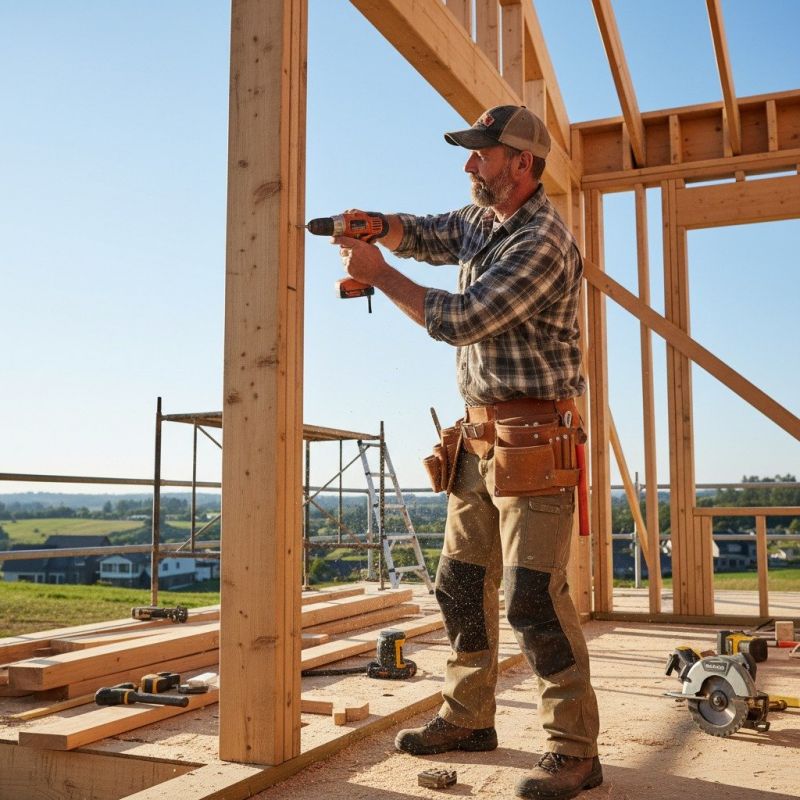
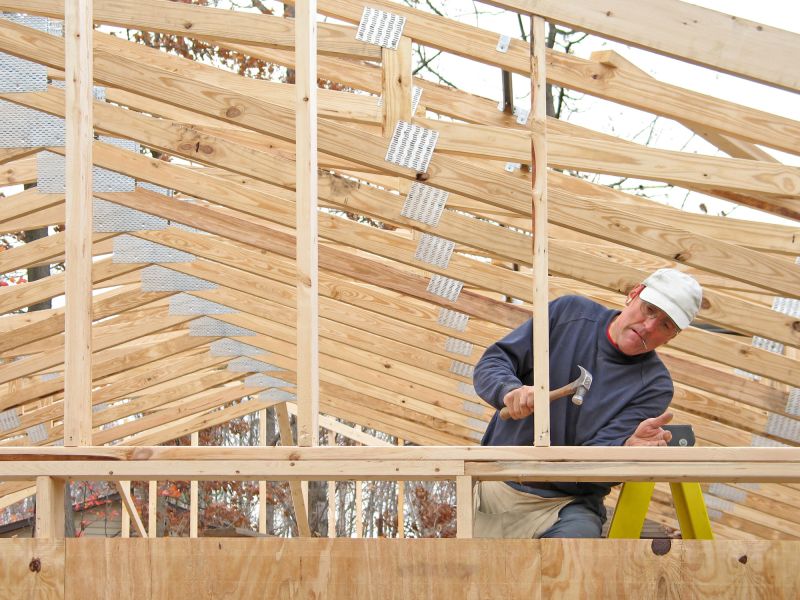
Compare local contractors’ scope definitions and experience to ensure consistent standards across all service providers.
- Define project scope - clearly outline the specific framing work required for the carpentry project.
- Verify experience - ensure service providers have relevant experience with framing in similar construction types.
- Assess materials and methods - specify the types of materials and framing techniques to be used.
- Establish communication expectations - determine how project details and changes will be documented and shared.
- Review references and past work - evaluate previous projects to confirm the quality and reliability of the service providers.
When evaluating contractors for carpentry framing, it’s important to consider their experience with similar projects. Homeowners should inquire about the types of framing work the service providers have completed and request details about past projects that resemble the scope of the current job. A contractor’s familiarity with specific building styles, materials, and structural requirements can help ensure they understand the unique demands of the project. Gathering information about their background with comparable work can provide insight into their ability to handle the complexities involved.
A clear, written scope of work is essential for establishing expectations and minimizing misunderstandings. Homeowners should seek contractors who can provide a detailed description of the framing services offered, including the materials, methods, and specific deliverables involved. Having a comprehensive scope in writing helps ensure that both parties agree on what is included and what is not, serving as a reference point throughout the project. This clarity can contribute to a smoother process and reduce the potential for disputes or surprises.
Verification basics are key when comparing local contractors for framing services. Homeowners should verify the contractor’s experience by asking for references or examples of completed projects similar in scope and scale. Confirming that the contractor has a solid track record with framing work can help validate their expertise. Additionally, it’s advisable to verify that the contractor maintains proper insurance coverage and adheres to safety standards, which can protect the homeowner’s interests and contribute to a successful project.
Evaluating options without focusing on prices involves assessing the quality of the service providers’ offerings and their ability to meet project requirements. Homeowners should compare how well each contractor’s experience aligns with the scope of work, the clarity of their written proposals, and the verification of their past work. Considering factors such as communication, professionalism, and the level of detail in their scope can help identify the most suitable service providers. Making an informed comparison based on these criteria can lead to choosing a contractor capable of delivering quality framing work aligned with the project’s needs.
Ask contractors to provide written scope details to ensure clear expectations and consistent project understanding.
- Experience and References - What specific framing projects have local contractors completed similar to your scope?
- Scope Clarification - How do contractors define and document the scope of framing work to ensure mutual understanding?
- Comparison Criteria - What key qualifications or past work should be used to compare different service providers?
- Work Approach - How do local contractors plan to handle the framing process to meet your project expectations?
- Written Agreements - What details should be included in the scope and expectations to ensure clarity in the contract?
How can I compare contractors for carpentry framing? Look for reputable service providers with experience in framing projects, and review their credentials, portfolios, or references to assess their suitability for the job.
What should I include in the scope of work when hiring a framing contractor? Clearly outline the specific tasks, materials, and project details to ensure all parties have a shared understanding of the work to be completed.
How can I verify the experience of a framing contractor? Ask for details about their past projects, years of experience, and any relevant work history to gauge their expertise in carpentry framing.
Why is it important to have the scope of work in writing? Having a detailed, written scope helps prevent misunderstandings, sets clear expectations, and provides a reference throughout the project.
What questions should I ask potential contractors before hiring? Inquire about their previous experience, methods, materials used, and how they handle project challenges to ensure they meet your project needs.
How can I ensure the contractor understands my project requirements? Communicate your expectations clearly, provide detailed descriptions, and confirm that the contractor has a full understanding before work begins.
By exploring the options available through this lead generation platform, visitors can gain a clearer understanding of how to evaluate contractors for carpentry framing projects. Learning to define the scope of work, verify experience, and set expectations in writing helps ensure a smoother process when connecting with local service providers. Using the provided quote form makes it easier to compare different contractors and find the right match for specific project needs.
Taking a moment to complete the quote form allows visitors to gather information on various local contractors specializing in carpentry framing. This step supports informed decision-making by highlighting options that align with project requirements and preferences. Comparing multiple service providers through this process can help identify the best fit for the scope of the work.